
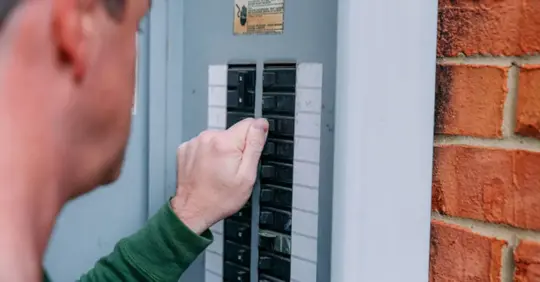
Overloaded Circuits
In today's technology-driven world, it's no surprise that overloaded circuits are a prevalent cause of tripping breakers. When multiple appliances such as air conditioners, refrigerators, or microwave ovens are used simultaneously on the same circuit, they can demand more electrical power than the circuit is designed to handle. This excessive power draw can lead to an overload, resulting in the circuit breaker tripping to prevent potential hazards like overheating or fires. To identify if an overloaded circuit is causing your breaker to trip, start by checking the wattage ratings of your appliances and the amperage rating of your breaker. You can then redistribute high-wattage appliances across different circuits in your home to avoid overloading a single one.
Short Circuits
A short circuit, another common culprit for tripping breakers, happens when an unintended connection forms between two points in an electrical circuit, allowing an extraordinary flow of current. This can occur due to damaged wires, incorrect wiring, or faulty appliances. Signs of a short circuit may include a burnt odor in the air or discolored electrical outlets. To troubleshoot safely, first, identify the circuit that has tripped and power it off. Afterward, inspect the wiring and appliances connected to that circuit for visible damage. It is crucial to remember that while some minor inspections can be done independently, addressing wiring issues often necessitates the expertise of a professional to ensure safety and compliance.
Ground Faults
Ground faults present another reason circuits might trip frequently, occurring when electricity travels along an unintended path to the ground. This is a common outcome in wet or damp conditions, such as in kitchens and bathrooms, where appliances may come into contact with water. Faulty or old appliances can also contribute to ground faults. Ground Fault Circuit Interrupters (GFCI) breakers are designed to detect unusual levels of electricity and cut the power immediately, minimizing the risk of electric shock. Understanding how these breakers function—and ensuring they are installed in necessary areas—can significantly improve safety in your home and prevent trips caused by ground faults.
Identifying Faulty Appliances
Faulty appliances can repeatedly trip your circuit breakers, and identifying these troublesome devices requires a methodical approach. Begin by unplugging all appliances from the circuit and resetting the breaker. Gradually plug each appliance back in, one by one, while monitoring which causes the breaker to trip. If the breaker trips when a particular appliance is connected, you've likely found your culprit. To confirm, test the appliance with a multimeter to check for electrical consistency. However, remember that some appliance diagnostics might require professional attention, especially if you suspect internal faults that could pose additional risks.
Examining Circuit Breaker Conditions
Not all tripping issues stem from the appliances themselves; sometimes, the issue can reside within the circuit breaker panel. Wear and tear, exposure to moisture, or even improper installation can lead to malfunctioning breakers. To examine your breaker panel, first ensure your safety by turning off all panel power. Look for any signs of damage such as corrosion, burn marks, or any loose wires within the panel. These could indicate problems that necessitate breaker replacement or rewiring. While minor issues like loose panels can sometimes be fixed by the homeowner, more complex problems should be handled by a licensed electrician to ensure safety and regulatory compliance.
DIY Repairs vs. Professional Help
Distinguishing between repairs you can do yourself and those that require a professional is key to maintaining a safe electrical system. Simple tasks—like replacing a faulty appliance or testing circuits—can often be tackled with minimal risk if you follow safety protocols. However, complex issues such as rewiring, circuit breaker replacements, or electrical diagnostic procedures should be deferred to professionals. Electrical systems are intricate, and mishandling can exacerbate the problem or create serious hazards. When in doubt, it's always wise to consult a professional, such as the trusted experts at Stott Brothers Electric in Port St. Lucie, FL, to ensure your electrical repairs adhere to safety standards and codes.
Load Balancing
Load balancing is an essential concept in electrical safety, involving the even distribution of electrical demand across a system to prevent overloading circuits. This approach not only enhances the efficiency of your home’s electrical system but also minimizes the risk of circuit breakers tripping. To implement load balancing, homeowners should be mindful of their electricity usage patterns—avoiding the use of multiple high-energy appliances simultaneously. For instance, running your dishwasher and microwave at different times can distribute the load more evenly. By following these practices, you’ll help ensure the longevity and stability of your home’s electrical infrastructure.
Upgrading Electrical Systems
As technology advances, electrical demand increases, making it imperative to consider upgrading your electrical systems. Older homes might be equipped with circuit breakers that are insufficient for modern electricity needs, leading to frequent overloads. Upgrading to higher capacity circuit breakers and panels can provide the necessary support for contemporary appliances and electronic devices, reducing the risk of tripping. If you're uncertain about your current setup's adequacy, a professional evaluation can be beneficial. This is where contacting experts, like Stott Brothers Electric in Port St. Lucie, FL, becomes valuable, as they can recommend and install the appropriate upgrades for your home.
Routine Maintenance Checks
Routine maintenance checks play a crucial role in preventing circuit breaker tripping. Regular inspections can identify minor issues before they escalate into significant problems. During these checks, circuit breakers should be tested, connections tightened, and all components inspected for wear or damage. Keeping your electrical panel clean and free from dust can also enhance its efficiency and lifespan. Establishing a regular maintenance routine—ideally with professional assistance—ensures your electrical system remains safe, reliable, and less prone to faults that could result in frequent tripping incidents.
Components of a Circuit Breaker Panel
Understanding the components of your circuit breaker panel is vital for effective troubleshooting and maintenance. Each panel is organized into several parts: the main breaker, which controls the power flowing into the panel, and individual breakers that service specific circuits throughout your home. Knowing the layout and function of these components can enhance your capability to manage minor electrical issues or outages. Usually, the main breaker is the first point of action during an electrical inspection, as it provides a complete disconnection from the power supply, offering a safe environment for any further inspection or repair within the panel.
Reading and Labeling Your Panel
Properly reading and labeling your circuit breaker panel can be a lifesaver during an emergency or routine maintenance. Each circuit should correspond to a specific function or area in your property, and accurate labeling allows for swift access and resolution of issues. Create a clear and concise panel schedule, typically located on the inside of the panel door, indicating which breaker controls which part of the house. This labeling should be revisited regularly to ensure it mirrors any changes or upgrades in your system. With this clarity, you can manage your home's electrical system more efficiently and tackle issues without the guesswork.
Recognizing When a Breaker Needs Replacement
Your circuit breaker panel comprises resilient components, but with age and usage, these, too, can falter. Recognizing the signs of a faltering breaker is crucial for maintaining safety in your home. Indicators such as frequent tripping of the same breaker, a breaker that won't reset, or any unusual noises from the panel can suggest the need for replacement. Additionally, if the breaker is visibly damaged or the panel shows signs of corrosion, it might be time for an upgrade. In such cases, engaging with professionals such as Stott Brothers Electric in Port St. Lucie, FL, can ensure the breakers are replaced correctly, efficiently restoring safety and functionality to your system.
Understanding Breaker Functionality
It's a common misconception that tripping circuit breakers are merely nuisances. In reality, they serve a critical safety function, protecting your home's electrical system from overheating and potential fires by interrupting an overloaded or short circuit. Understanding that this is a preventive measure rather than an inconvenience can shift your perspective on why it's so crucial to address the underlying issues rather than merely resetting the breaker. When circuit breakers trip frequently, it is a signal to investigate further into your electrical system's health to prevent potential hazards.
Breaker vs. Fuse Boxes
The debate between circuit breakers and fuse boxes often includes misconceptions about their efficiency and safety. While fuse boxes served homes well in the past, modern circuit breakers offer more reliable, efficient, and user-friendly advantages. Breakers can easily be reset instead of replacing fuses and provide better protection against electrical overloads. They also offer more precise control over the electricity supplied to various parts of your home. Upgrading to circuit breakers can enhance your home's overall electrical safety, making it imperative for those in older homes to consider this essential modernization step.
The Myth of the "Bad Circuit"
Homeowners occasionally refer to a "bad circuit" as the source of their electrical woes, yet this notion can often be misleading. In reality, what might seem like an inherently faulty circuit might be due to issues with the wiring, appliances, or breaker condition. Before labeling a circuit as "bad," consider a comprehensive evaluation that includes checking wiring conditions, inspecting appliances, and analyzing breaker performance. Leverage the expertise of a professional electrician from Stott Brothers Electric in Port St. Lucie, FL, to discern the real source of your electrical problems, ensuring accurate diagnosis and repair rather than attributing issues to an unfounded myth.
If Your Circuit Breakers Keep Tripping, Contact Stott Brothers Electric
Understanding the inner workings and potential issues surrounding circuit breakers provides the first step in maintaining a safe and efficient home electrical system. If you’re facing persistent electrical challenges, Stott Brothers Electric offers expert services to address and resolve any concerns, ensuring your home remains a haven of safety and efficiency. Reach out today for professional panel upgrades and other circuit breaker-related services and let us help you safeguard your home’s electrical health.
Call Stott Brothers Electric now at (772) 276-4443 or send us a message online.