
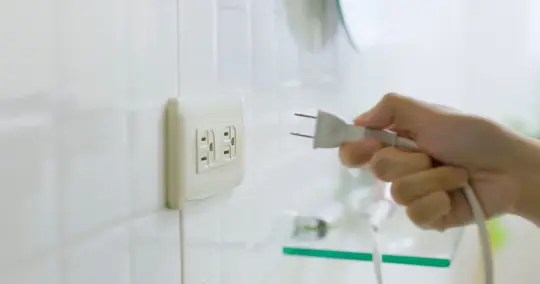
The moment you realize a whole room has lost power is usually mid-task. You go to plug in a vacuum, charge your phone, or turn on a lamp, and nothing happens. You check the breaker panel, but every switch appears to be in place. Now you're left wondering whether it's something simple you can fix yourself or a sign of a larger electrical problem.
We help homeowners across Port St. Lucie and the Treasure Coast troubleshoot outlet issues every day, and many of them come down to a handful of common causes. Some are easy to rule out without opening an electrical box. Others point to wiring problems that deserve prompt attention.
Before assuming you have a bad outlet, it's worth understanding how several parts of your home's electrical system work together. Here's what could be causing outlets to stop working and when it's time to call a licensed electrician.
Start With the Most Common Cause: A Tripped GFCI Outlet
When multiple outlets suddenly stop working, many homeowners immediately head for the breaker panel. Surprisingly, the problem is often somewhere else.
A Ground Fault Circuit Interrupter (GFCI) outlet is designed to shut off power almost instantly if it detects electricity flowing where it shouldn't, helping reduce the risk of electric shock. Because one GFCI can protect several standard outlets on the same circuit, a single trip can leave outlets in another room without power.
This catches homeowners off guard because the outlet that tripped may not even be near the outlets that stopped working.
You'll typically find GFCI outlets in places where moisture is common, including:
- Bathrooms
- Kitchens
- Garages
- Laundry rooms
- Outdoor receptacles
- Pool and patio areas
In Florida homes, heavy rain, humidity, irrigation overspray, and summer storms can all contribute to nuisance GFCI trips. Moisture inside an exterior electrical box is something we encounter regularly throughout the Treasure Coast.
What You Can Check
Before assuming something is broken:
- Walk through your home and locate every GFCI outlet.
- Press the RESET button firmly on each one.
- Test the outlets that previously weren't working.
If the same GFCI repeatedly trips, don't keep resetting it. That usually means the outlet is doing its job by detecting an underlying electrical fault that needs professional diagnosis.
Don't Trust a Quick Glance at the Breaker Panel
Many homeowners look at their electrical panel for two seconds, decide nothing has tripped, and move on.
The problem is that breakers don't always flip completely to the OFF position. Many settle into a center position that's easy to miss.
A proper reset takes more than simply pushing the breaker toward ON.
Here's the Correct Way
- Find the breaker serving the affected area.
- Push it firmly all the way to OFF.
- Then switch it completely back to ON until it clicks.
If your home has newer electrical equipment, you may also have Arc Fault Circuit Interrupter (AFCI) breakers protecting bedrooms and living spaces. These breakers are designed to detect dangerous electrical arcing before it can start a fire.
An AFCI breaker can trip because of:
- Damaged appliance cords
- Loose wiring connections
- Failing receptacles
- Overloaded circuits
If the breaker immediately trips again after resetting, stop there. Repeated trips are warning signs that something on the circuit requires further inspection.
Home electrical fires cause an estimated more than 51,000 fires each year in the United States, resulting in hundreds of deaths and over a billion dollars in property damage. Protective devices like GFCIs and AFCIs are designed to interrupt dangerous electrical conditions before they become much larger problems.
One Loose Outlet Can Shut Down Several Others
If resetting the GFCIs and breakers doesn't restore power, the problem may be hidden behind one of the outlets themselves.
Most homes use a series wiring layout where electricity flows from one receptacle to the next. Think of it like links in a chain. If one connection fails, every outlet farther down the circuit can lose power.
One issue electricians frequently discover is backstab wiring.
Instead of securing wires beneath side screws, some outlets are installed by pushing the wires into spring-loaded holes in the back of the receptacle. While this speeds up installation, those spring connections can loosen over time from heat, age, and everyday use.
Signs of a loose outlet connection include:
- Several outlets stop working at once
- Power comes and goes intermittently
- Plugs feel loose
- One outlet seems normal while every outlet after it is dead
Loose screw terminals can create the same symptoms. In either case, diagnosing the problem requires removing the receptacle and testing energized wiring safely.
Because that involves exposure to live electrical components, this is where troubleshooting should stop for most homeowners.
Sometimes the Outlet Isn't Actually Broken
Not every "dead" outlet has failed.
Many homes—especially those built before overhead lighting became standard in living rooms—have half-hot outlets.
With this setup:
- One half of the receptacle stays energized all the time.
- The other half is controlled by a nearby wall switch.
If that switch is turned off, one plug may appear completely dead even though the outlet is functioning normally.
It's an easy thing to overlook.
A Quick Test
Plug a lamp into both the top and bottom receptacle.
Then flip nearby wall switches one at a time.
If one half suddenly works, you've found a switched outlet rather than an electrical failure.
This simple check can save an unnecessary service call and explains more "dead outlets" than many homeowners expect.
Florida's Climate Can Shorten the Life of Electrical Outlets
Electrical outlets don't last forever.
While quality receptacles often provide decades of service, Florida's climate adds extra stress. Constant humidity, salty coastal air, frequent thunderstorms, and year-round air conditioning all contribute to wear on electrical components.
Homes throughout Port St. Lucie and surrounding Treasure Coast communities often experience:
- Corrosion inside outdoor receptacles
- Moisture intrusion around exterior electrical boxes
- Increased GFCI trips during rainy months
- Worn receptacles that no longer hold plugs securely
Older homes may also contain outlets installed before today's electrical safety standards, including missing GFCI protection or ungrounded receptacles that no longer meet current code expectations.
Sometimes an outlet that appears "dead" is simply reaching the end of its service life.
When a Dead Outlet Is a Safety Concern
Some outlet problems are inconvenient. Others deserve immediate attention because they may point to overheating, damaged wiring, or an electrical fault that could worsen if ignored.
Stop troubleshooting and contact a licensed electrician if you notice any of these warning signs:
- A warm or hot outlet. An outlet should never feel hot when you're simply plugging in everyday devices.
- Burn marks or discoloration. Blackened outlets or melted faceplates often indicate overheating or arcing.
- A burning odor. Even a faint smell of melting plastic near an outlet or electrical panel shouldn't be ignored.
- Buzzing, crackling, or sparking. Electricity should be silent. Unusual sounds usually mean a loose or damaged connection.
- Power loss in multiple rooms. When several circuits seem affected, the issue may extend beyond a single receptacle.
If you notice any of these symptoms, avoid using the outlet and leave the breaker off if it's safe to do so until the problem can be inspected.
A Simple Checklist Before Scheduling Service
If your outlets stop working, you can safely work through a few basic checks before assuming you need repairs.
- Reset every GFCI outlet in the house, including bathrooms, the kitchen, garage, outdoor areas, and near the pool.
- Perform a full OFF-then-ON reset of the appropriate circuit breaker.
- Test the outlet using a device you know works, such as a lamp or phone charger.
- Check nearby wall switches in case the outlet is switch-controlled.
- Look for warning signs like heat, unusual smells, discoloration, buzzing, or sparks.
If none of these restore power, the problem likely involves the outlet itself, wiring connections, or another component of the electrical system. Those issues require specialized testing that goes beyond safe homeowner troubleshooting.
Why Professional Diagnosis Matters
Electrical systems are interconnected, which means the outlet that's stopped working isn't always where the problem begins.
A loose connection behind one receptacle can interrupt power to every outlet farther down the circuit. A failing breaker may look perfectly normal. Moisture inside an outdoor GFCI can affect outlets inside the home. Without the right testing equipment, it's easy to replace the wrong part while the real problem remains.
That's why electricians trace the circuit, verify voltage, inspect wiring connections, and identify the actual source of the outage instead of relying on guesswork.
The National Fire Protection Association (NFPA) continues to identify electrical distribution systems and lighting equipment as leading contributors to residential electrical fires, making it important to address persistent outlet problems rather than simply resetting breakers over and over.
Get Help Restoring Safe, Reliable Power
A dead outlet doesn't always signal a major repair, but it shouldn't be ignored either. Whether the issue is a worn receptacle, a hidden wiring problem, a faulty GFCI, or a circuit that keeps tripping, identifying the cause early can help prevent larger electrical issues down the road.
If you've worked through the basic checks and your outlets still aren't working—or you've noticed heat, burning smells, or repeated breaker trips—the safest next step is to have the system inspected.
At Stott Brothers Electric, we provide professional electrical troubleshooting, outlet repair and replacement, GFCI services, wiring repairs, and electrical inspections for homeowners throughout Port St. Lucie and the Treasure Coast.
If you're ready to restore power safely, call (772) 276-4443 or schedule your electrical service online today.