
Living on the Treasure Coast means being prepared for the unpredictable nature of Florida weather. When the grid goes down during a storm, having a reliable backup power source can make the difference between a minor inconvenience and a major household disruption. Choosing between a portable unit and a permanent standby system is a significant decision that depends on your family’s specific energy needs and long-term goals.
Initial Investment and Long-Term Value
One of the first factors most families consider is the upfront cost versus the long-term value of the equipment. Portable generators generally offer a lower entry price, making them an accessible option for immediate backup needs. These units are self-contained and do not require permanent installation, though using them safely with your home’s electrical system usually requires a manual transfer switch.
In contrast, standby generators require a larger initial investment because they are permanent installations that include a heavy-duty engine and an automatic transfer switch. While the upfront cost is higher, these systems often add to the overall value of the property. They are built with more durable components designed to last for several decades, whereas portable units may need to be replaced more frequently depending on how often they are used and maintained.
Level of Manual Effort and Operation
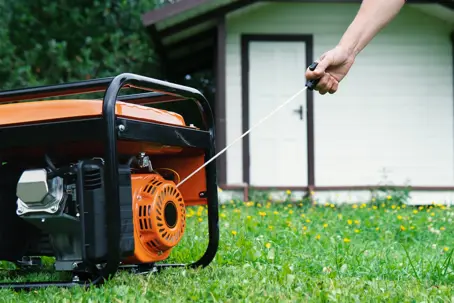
The way a generator starts and runs during an outage is a major factor in daily comfort. Portable units require a hands-on approach; you must haul the unit out of storage, position it safely away from the house, and manually fill it with fuel. This process must be done regardless of the weather conditions outside, and you must stay on top of refueling every few hours during a prolonged outage.
Standby systems offer a hands-free experience. Because they are connected directly to a fuel source like propane or natural gas, they do not require manual refueling. These systems also include the following operational features:
- Automatic sensors that detect a power loss and start the engine instantly.
- Hands-free power restoration that works even if you are not home.
- Self-testing cycles that run weekly to ensure the system is functional.
- Weather-proof enclosures that stay outside year-round.
For some, the manual process of a portable unit is a manageable task, while others prefer the automated "set it and forget it" nature of a standby system.
Power Capacity and Household Coverage
Deciding how much of your home you want to keep running will largely dictate which generator style fits best. Portable generators are generally sized to handle essential loads. This usually means keeping the lights on, running the refrigerator, and charging phones. They are excellent for maintaining basic safety and food preservation, but may struggle to power larger systems.
Standby generators are designed with the capacity to manage the entire household load at once. If your family’s must-have list includes the following, a larger capacity system is often necessary:
- Central air conditioning systems.
- Well pumps and water heaters.
- Electric ovens and clothes dryers.
- Multiple high-voltage medical devices.
Reviewing your home's total wattage needs helps clarify whether a smaller, targeted power source or a whole-home solution is the better fit for your lifestyle.
Maintenance Requirements and Reliability
Both types of generators require regular care to ensure they perform when the lights go out. Portable units need their fuel stabilized if they sit for months, and the oil should be changed after every few days of continuous use. Because they are often stored in garages or sheds, they are also prone to dust buildup or engine issues caused by old gasoline sitting in the tank.
Standby units require professional maintenance, typically once or twice a year. This service involves checking the battery, changing the oil and filters, and ensuring the automatic transfer switch is communicating correctly with the home. Because these units are designed for permanent outdoor placement, their internal components are protected from the elements, which contributes to a high level of reliability during the intense humidity of the Treasure Coast.
Finding the Perfect Power Match for Your Home
Choosing the right backup power solution is a balance of immediate budget, desired comfort, and the amount of maintenance you are willing to perform. A portable generator offers a flexible, lower-cost way to stay safe, while a standby system provides a seamless, high-capacity transition that keeps the entire home running. Both options serve as a vital safety net for Florida families, ensuring that a power outage doesn't result in a total loss of comfort or security.
Ensuring your backup power is safely integrated with your home’s wiring is a job for a qualified professional. At Stott Brothers Electric, we assist local families with specialized installations that make using backup power simple and safe. Our team can help you with whole-home generators or install the necessary connections for your portable unit to ensure your residential electrical system is always ready for a storm. We focus on technical precision and high-quality workmanship to keep your Treasure Coast home fully powered.
Ready to secure your home against the next power outage? Book your free estimate online or call us at (772) 276-4443 to discuss the best generator options for your family today!