
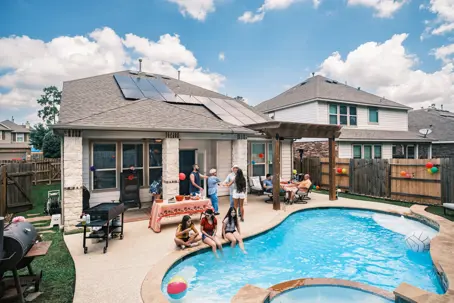
Living in Florida means enjoying the water nearly year-round. However, mixing water and electricity requires a high level of caution to keep your family safe. Understanding the basics of how your pool's power system works is the first step in preventing accidents and ensuring your backyard oasis remains a place of relaxation.
Understanding GFCI Protection Near Water
The ground fault circuit interrupter, or GFCI, is the most critical safety device for any pool owner. This device constantly monitors the flow of electricity through a circuit. If it senses that the current is leaking where it shouldn't be—such as through water or a person—it instantly shuts off the power. This happens in a fraction of a second to prevent a dangerous electrical shock.
Because pools are often surrounded by wet surfaces, any nearby outlets or lighting must have this protection. You can usually identify these by the "test" and "reset" buttons on the outlet itself. It is important to remember that these devices can wear out over time, especially in our humid Treasure Coast climate. Regularly pressing the test button ensures the internal mechanism is still able to cut power during a fault.
Essential Safety Tips for Pool Area Maintenance
Keeping your pool deck safe involves more than just keeping the water clean. It also means managing how you use electrical devices around the wet zone. Even a small radio or a phone charger can become a hazard if it comes into contact with puddled water or the pool itself. Creating a clear boundary for electronics is a simple habit that significantly lowers the risk of shock.
To maintain a secure environment, consider the following safety habits:
- Keep all corded appliances at least 10 feet away from the water’s edge.
- Avoid using extension cords near the pool deck or splash zones.
- Ensure all pool users dry off completely before touching any switches or outlets.
- Use battery-powered devices instead of corded ones for outdoor entertainment.
If you find yourself relying on extension cords for your outdoor setup, it may be time to consider a more permanent solution. Installing dedicated outdoor outlets with weatherproof covers provides a safer way to power your backyard needs without the risks of temporary wiring.
Spotting Warning Signs in Pool Equipment
Your pool's heater, pump, and lighting systems work hard behind the scenes. Over time, the constant exposure to sun, rain, and chemicals can cause the protective components of these systems to degrade. Being able to identify the early stages of wear and tear allows you to address issues before they become emergency situations.
Look out for these common indicators of electrical fatigue:
- Flickering or dimming underwater pool lights.
- A pool pump that makes a humming or buzzing sound but won't start.
- Circuit breakers that trip repeatedly when the heater or pump turns on.
- Visible corrosion or rust on the electrical panel or conduit pipes.
When these signs appear, it is a clear indication that the system is struggling to move power efficiently. Ignoring these red flags can lead to equipment failure or, in some cases, electrical current entering the water. A professional evaluation can determine if the components just need a minor repair or if a more significant upgrade is required to meet modern safety codes.
Staying Compliant with Local Electrical Codes
Electrical codes exist to provide a universal standard for safety, and they are updated as technology improves. In Florida, these codes are particularly strict regarding grounding and bonding. Grounding provides a safe path for excess electricity to travel to the earth, while bonding connects all metal parts of the pool structure to prevent them from carrying a voltage.
If your pool was built several years ago, it may not meet the most recent safety requirements. Codes now require specific distances for overhead power lines and underground wiring to prevent accidental contact. Ensuring your pool's electrical infrastructure is up to date is not just about following the law; it is about providing the highest level of protection for everyone who takes a swim.
Ensuring Lasting Safety for Your Backyard Oasis
Maintaining a safe pool environment requires a proactive approach to both daily habits and long-term equipment care. By understanding how safety devices like GFCIs work and staying alert to the warning signs of equipment wear, you can prevent most electrical hazards before they occur. Prioritizing these technical details ensures that your outdoor space remains a secure and efficient part of your home for years to come.
When it comes to water and electricity, professional oversight is the most reliable way to ensure everything is functioning as it should. At Stott Brothers Electric, we specialize in the specific needs of local homeowners, offering residential electrical services that include thorough safety inspections of your outdoor areas. Our technicians can assist with specialized pool heaters and ensure your systems are protected with expert surge protection to keep your backyard powered safely.
If you suspect your pool's electrical system needs a professional look, don't wait for a problem to arise. Click here to book your safety inspection or call us at (772) 276-4443 to speak with our friendly team today!